Match the cleaning process to Tampa's exterior materials
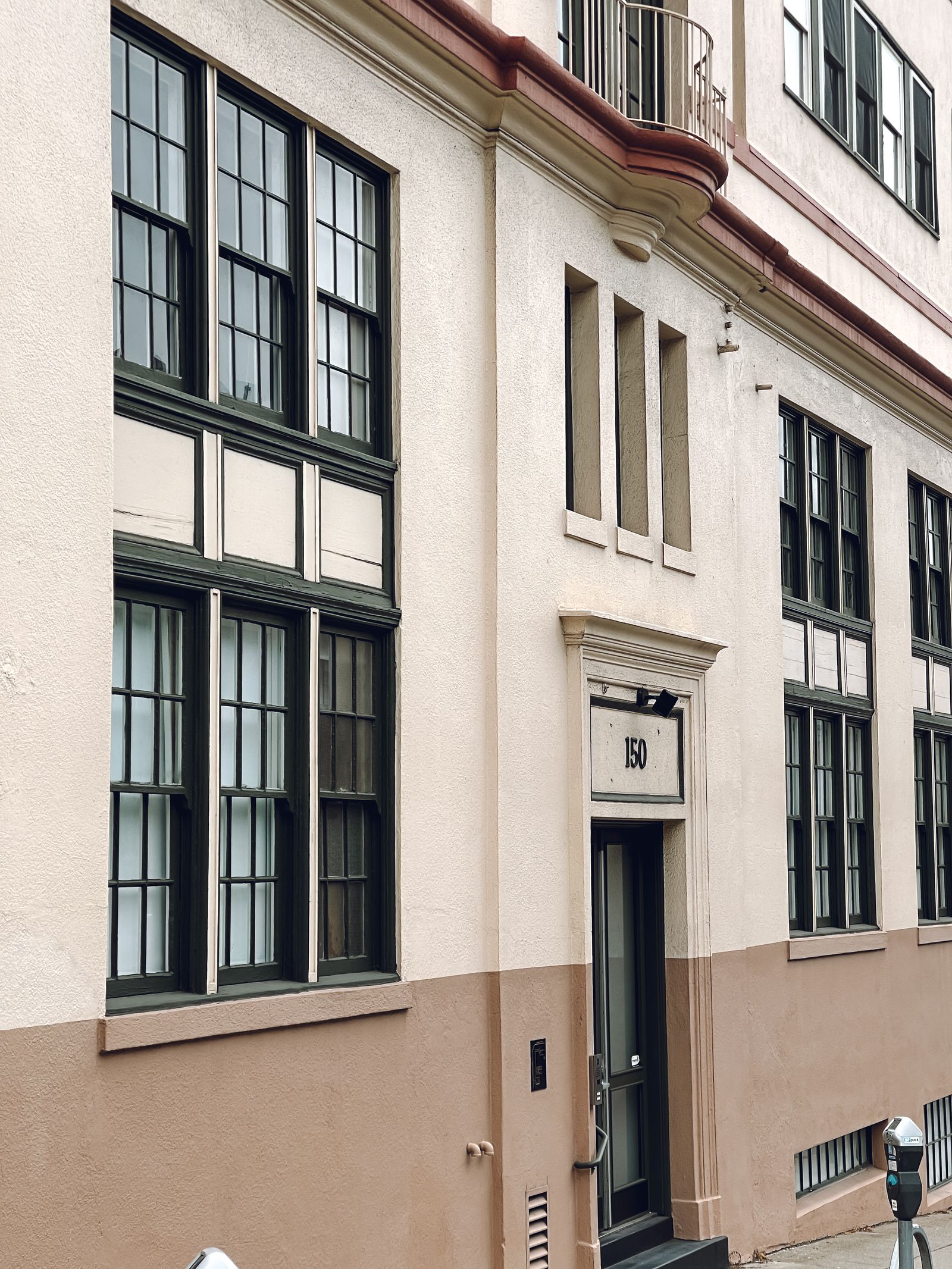
Florida buildings often combine stucco, painted concrete, tile details, metal panels, glass, sealants, screens, canopies, and landscaped edges. Humidity and shade can support algae or mildew-like growth, while traffic corridors add soot and oily film. Those conditions can look similar from the ground but respond differently to water, dwell time, chemistry, and agitation. The team should identify the surface, coating condition, joints, openings, and visible repairs before selecting a process. A representative test area can show whether a controlled soft wash produces the requested improvement without driving water behind a joint or changing the coating.
Soft washing is useful for compatible surface growth and film, but it is not a guarantee of complete stain removal. Rust, irrigation deposits, efflorescence, paint, silicone, oxidation, hard-water scale, and failed finishes may need a different method or specialist. Increasing pressure to chase a stubborn mark can create etching, coating failure, or water intrusion. The proposal should separate maintenance cleaning from restoration, list excluded materials, define the visual acceptance standard, and identify any elevation that needs a lift, pole, hand detail, or postponement.
- Identify stucco, masonry, coatings, metal, glass, joints, vents, and screens.
- Separate organic growth and surface film from rust, scale, paint, and damage.
- Test uncertain chemistry and materials before expanding the service zone.
- State contact-cleaning, restoration, and repair exclusions clearly.
Plan around Tampa's traffic, landscaping, and hospitality flow
Tampa commercial properties frequently combine broad parking fields, hotel porte cocheres, retail sidewalks, landscaped medians, loading zones, and active road edges. A ground crew needs a recovery area, clear command visibility, hose routing, and enough separation to keep pedestrians and vehicles out of the active zone. Westshore hotels may need to preserve guest arrival and valet movement. Downtown properties may have tighter sidewalk and entrance constraints. New Tampa offices and retail centers may offer more room but introduce irrigation, planted areas, and parking circulation that need protection.
The city and district name help identify context, but they do not establish that every elevation can be treated. A private rear wall may be straightforward while the street-facing facade over a drive aisle requires a phased window. The plan should preserve accessible routes, fire access, tenant doors, delivery paths, and emergency movement. Landscaping is part of the scope too: runoff and chemistry should be controlled around planting beds, irrigation heads, ponds, and low points rather than allowed to move across the property simply because the wash area is elevated.
Treat water, runoff, and storm weather as part of the service
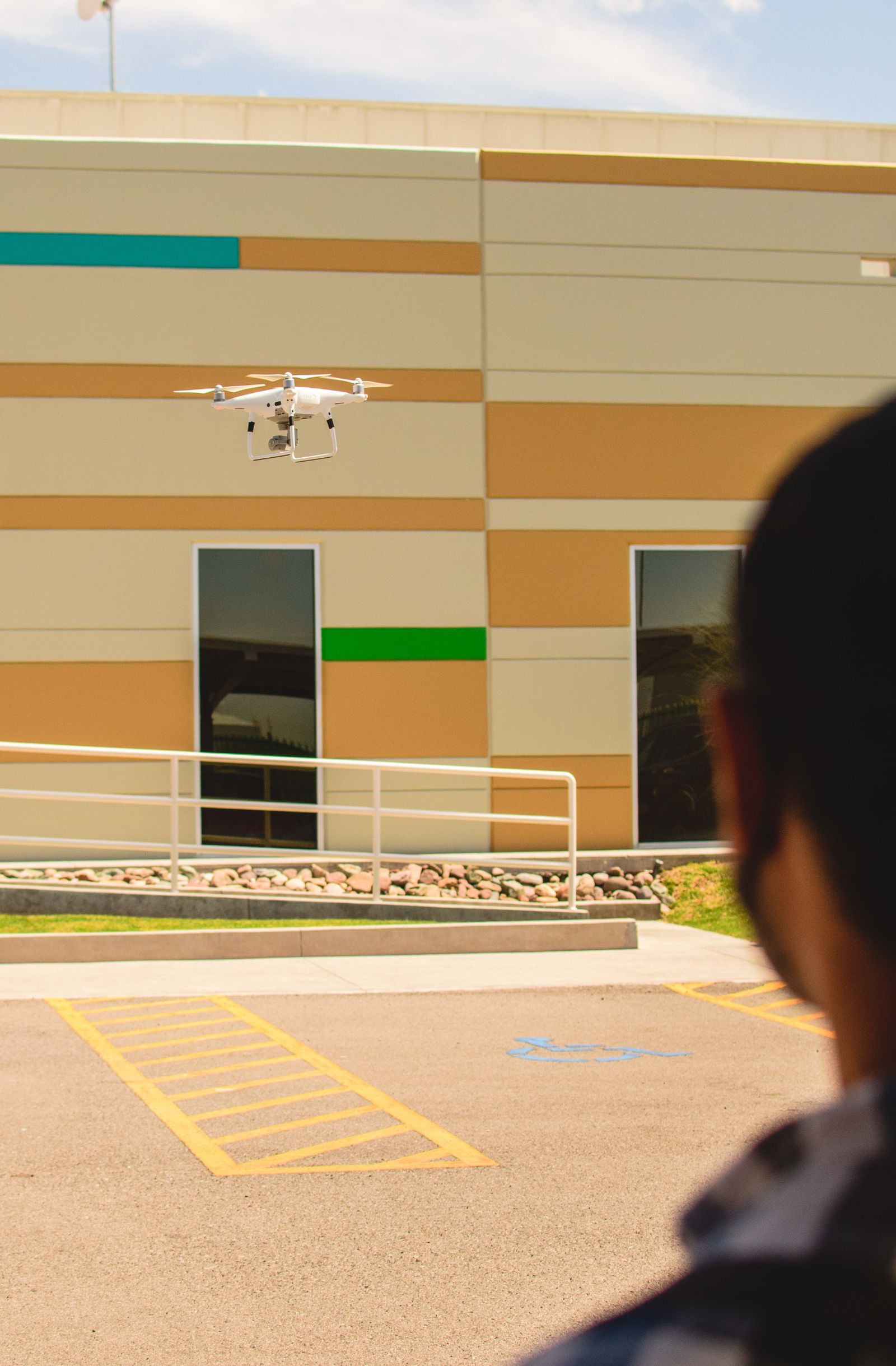
Tampa weather can change quickly, and a forecast alone does not guarantee a workable work window. Wind, lightning, heavy rain, heat, and wet ground affect aerial control, drying, pedestrian safety, and chemistry dwell. The plan should establish operating limits and a clear pause or reschedule decision. A crew that cannot maintain control should stop, even when the requested service date is important. The property should also provide a weather reserve for a clean handback rather than treating postponement as an unusual failure.
Before work begins, the team should map water supply, hose routes, drains, inlets, low points, entrances, air intakes, electrical equipment, landscaping, and any area where wash water could leave the site. Tampa's stormwater system makes runoff planning important, especially where sediment, chemistry, or building soil could reach an inlet. The property and contractor should agree on containment and recovery measures appropriate to the site. Runoff control protects the environment, keeps sidewalks safe, and prevents the building from transferring a cleaning problem to a neighboring tenant or public route.
- Set weather, wind, lightning, and heat pause criteria before scheduling.
- Map drains, inlets, landscaped areas, ponds, doors, and electrical equipment.
- Confirm water supply, hose routing, containment, recovery, and handback conditions.
- Coordinate around storms and changing pedestrian or vehicle movement.
Coordinate hotels, offices, retail, and medical properties
A Tampa property team can make the work window much more predictable by sharing building operations early. Hotel managers can identify guest peaks, valet routes, breakfast periods, conferences, and loading activity. Office and medical properties can flag accessible entrances, patient movement, air intakes, security controls, and sensitive equipment. Retail operators can move displays, pause outdoor service, and preserve customer access. The cleaning crew should know where the building cannot tolerate water, noise, hose crossings, or temporary barriers.
Other contractors and maintenance vendors belong in the review. Roofing crews, painters, window cleaners, sign installers, landscapers, and facade repair teams may share the same elevation or staging area. Existing barricades, scaffolds, fences, and public-protection equipment must not be moved without the property's authority and any required approval. The cleaning quote is a maintenance proposal; it does not grant permission to change a public route, enter a roof, alter a life-safety system, or ignore a repair restriction.
Separate washing from facade diagnosis and repair
The cleaning team can photograph and report an obvious visible condition, but it should not present soft washing as a structural inspection. Cracked glass, spalling, loose trim, open joints, failed sealants, active leaks, corroded attachments, or unstable components should be referred to the building's qualified professional. Washing may reveal a condition, but it cannot certify the facade, determine the cause of a leak, or establish that a repair is unnecessary.
When a property already has an engineer's report, repair sequence, exclusion zone, or public-protection requirement, the cleaning scope should follow it. If a test area shows coating failure or the facade cannot safely contain water, a smaller scope or a different method may be the correct answer. A credible Tampa service plan makes those boundaries visible before mobilization so the property gets a maintainable result without confusing cleanliness with building safety.
Document the result and build a sensible Florida cadence
A useful closeout includes the completed elevations, representative photos, water or chemistry approach, weather interruptions, runoff controls, exclusions, and remaining conditions. It should help an engineer, property manager, owner, or hotel asset team understand what changed and what still needs attention. A remaining stain should be recorded as a remaining condition rather than assigned a cause without testing. This record is especially useful when tropical weather, construction, irrigation, or landscaping changes the appearance between visits.
Recurring service should follow the property's resoiling pattern and operating calendar. A shaded stucco wall beside irrigation may need a different interval from a sun-exposed office facade. A hotel may prefer work before a busy season, while a retail center may schedule around promotions and peak traffic. The right recommendation may be seasonal, semiannual, quarterly, or event-driven. The goal is a repeatable scope with clear access, weather, runoff, and documentation rules, not a generic promise that every Tampa building needs the same frequency.