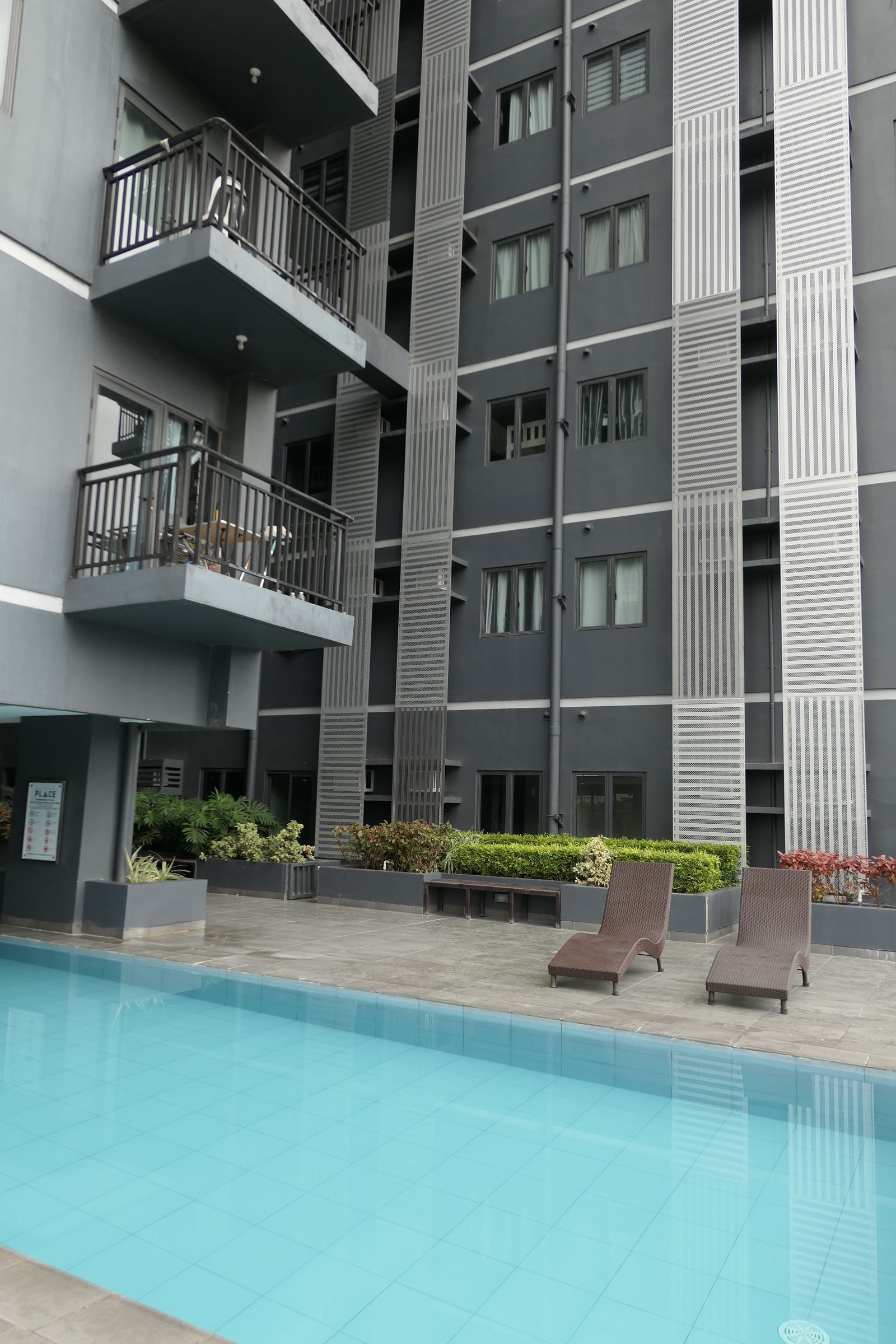
Start with the hotel's guest journey
A property map should follow the guest journey from the street to the room, not just the building perimeter. Identify the porte cochere, valet queue, main entrance, lobby glazing, conference entrances, pool paths, restaurant terraces, parking routes, loading doors, and accessible paths. A cleaning zone that looks separate on a site plan may still be visible from a guest arrival or may send hose traffic across a route used by luggage carts. Hotel operations should identify the periods when a small change in access would create a large service problem.
The work can often be phased. Upper facade rinsing may happen while a different entrance remains open, while canopy or lobby-glass detailing is reserved for a lower-traffic period. A hotel should not promise that every elevation will be treated at once if the property cannot safely protect guests and staff. A clear map of zones, entrances, temporary pauses, and alternate routes gives the front desk, engineering, security, valet, and cleaning crew the same picture of what will happen.
- Mark guest arrivals, valet, loading, accessible paths, pools, patios, and event areas.
- Separate upper facade work from close-detail entrance and canopy cleaning.
- Create a pause point for luggage, guest movement, deliveries, and emergencies.
- Give front-of-house teams a simple service-window summary before mobilization.
Choose a window that respects Tampa weather
Tampa weather can make a planned window unsuitable even when occupancy and guest traffic are favorable. Lightning, heavy rain, wind, heat, wet pavement, and rapid changes in storm conditions affect aerial control, chemistry dwell, drying, and pedestrian safety. Early morning may reduce guest movement at some hotels, but it can also bring dew, humidity, or a later increase in storm risk. The best window is the one that gives the team enough time to establish the work zone, complete the intended area, and leave walking surfaces safe.
The hotel should build a weather reserve into the schedule and define who makes the pause or reschedule call. A cleaning team should not continue because an event or occupancy target makes the date inconvenient to lose. When a portion of the plan is complete and a storm approaches, the crew may need to stop, secure equipment, clear water routes, and return for the remaining zones. That is a normal part of responsible exterior maintenance in a warm, storm-prone market.
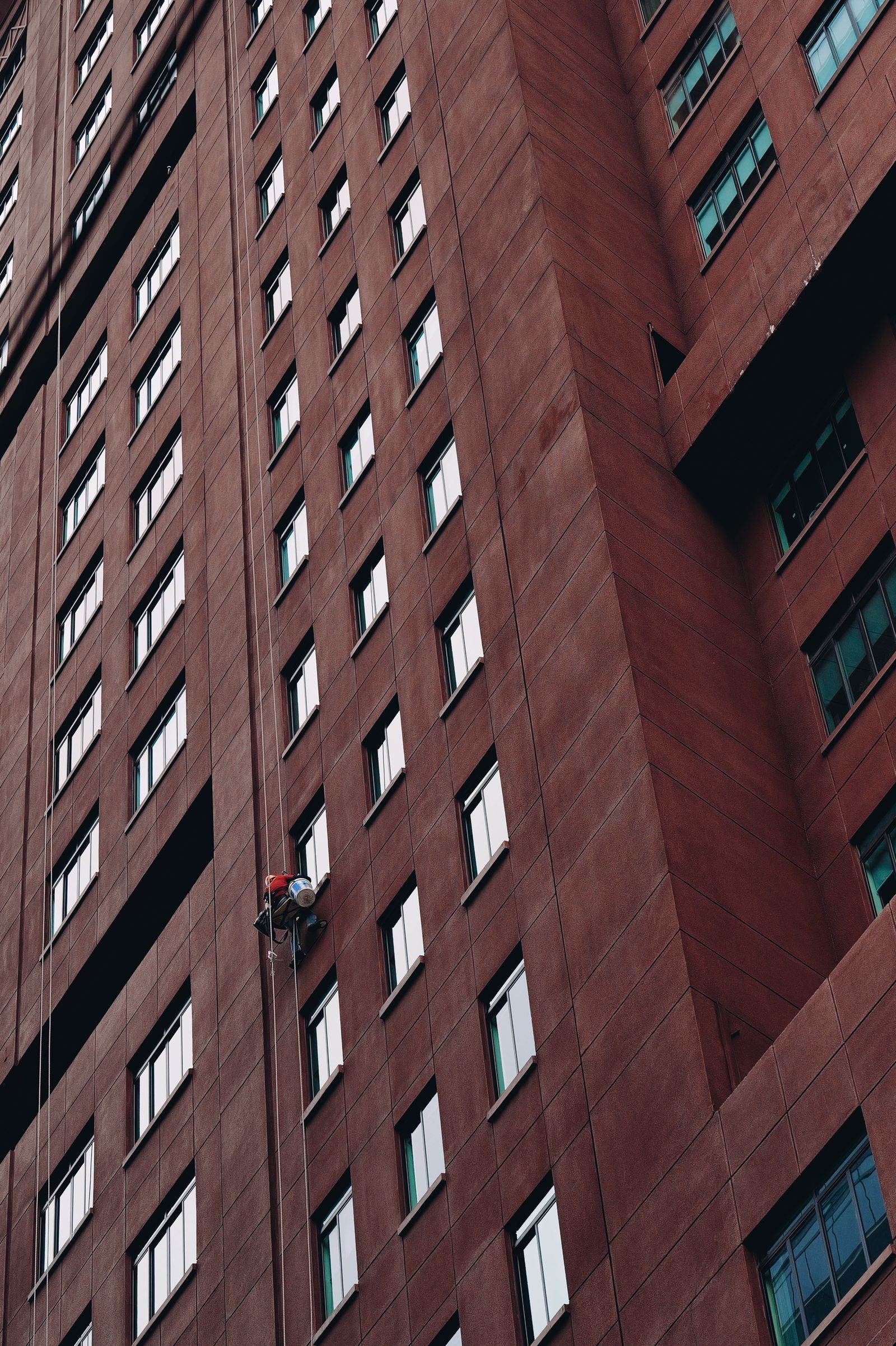
Coordinate valet, loading, and service entrances
Valet and loading operations are often the hidden constraint on hotel exterior work. A hose crossing a drive aisle, a staging vehicle near a dock, or a temporary barrier at a service entrance can affect housekeeping, deliveries, food service, trash pickup, and emergency movement. The hotel should identify the periods when the loading dock is active, the route used by buses or rideshares, and the locations of electrical equipment and air intakes. Those details can change the method or the sequence even when the facade itself is easy to reach.
A hotel cleaning plan should also include communication at the point of use. Security and valet need to know where the controlled area begins and how a guest or driver will be redirected. Housekeeping and engineering need to know whether windows remain closed and whether any doors or intakes need protection. A small number of people with authority to pause the work is better than a plan that relies on every passerby understanding the operation. The goal is a quiet, controlled service window that does not make guests responsible for spotting hazards.
Protect water-sensitive hotel areas and landscaping
A hotel exterior has more water-sensitive interfaces than a simple facade photograph reveals. Doors, lobby thresholds, carpeted entries, outdoor dining, pool decks, planters, irrigation heads, electrical equipment, signage, and guest vehicles may sit below or beside the target elevation. Before applying water or chemistry, the team should map drains, low points, collection areas, air intakes, and routes where runoff could reach a public surface or storm inlet. Tampa's stormwater system makes it important to prevent polluted water and sediment from leaving the controlled area.
Water quality and drying matter to presentation. Untreated water may spot compatible glass; rapid sun and heat may change dwell time; standing water can create a slip condition; and a dirty rinse can move soil onto a white canopy or walkway. A representative test and a clear handback check help the hotel decide whether the proposed method meets its appearance standard. The written plan should state what happens when a surface needs direct cleaning, when runoff cannot be contained, or when weather makes the expected finish unrealistic.
- Map thresholds, doors, drains, pool areas, planters, inlets, and vehicles.
- Confirm water source, quality, chemistry, hose routing, and recovery controls.
- Use a dry and safe handback inspection before reopening each zone.
- Define what is excluded when a surface needs contact detail or restoration.
Document the result for ownership and brand standards
A hotel benefits from a closeout record that speaks to both operations and appearance. Include the zones completed, representative before-and-after photos, weather interruptions, access changes, remaining conditions, and recommended follow-up. If the property is part of a branded portfolio, those photos can support ownership updates and future capital or maintenance decisions. Documentation should be factual: a remaining mark is a remaining condition, not a diagnosis of its cause without testing.
The cadence can follow the calendar that matters to the property. A hotel may plan a facade wash before a high-occupancy season, a convention period, a renovation handoff, or a major event. A coastal or landscaped property may experience different resoiling from an inland office. Seasonal, semiannual, quarterly, and event-driven schedules are all possible, but the scope should preserve the same service zones, guest protections, weather rules, and photo expectations each time. Consistency is more valuable than promising a fixed frequency without observing how the building performs.